Getting your property ready for winter isn’t just about keeping your tenants warm and comfortable – it can also save you from unexpected and expensive repair bills down the line.
Alongside making sure your home is energy-efficient, there are a few simple steps that can make a big difference.
Here’s our list of essential winter maintenance tips for landlords, from sealing up drafts and leaks to keeping your pipes safe from frost.
- Check heating systems
- Seal draughts and leaks
- Clear gutters and drains
- Inspect the roof
- Protect the pipes
- Be prepared for emergencies
Management Plus can help you manage home emergencies with confidence.
1. Check heating systems
Make sure your rental property’s heating is ready for the colder months. Get a professional to carry out a thorough check of the whole system – including the boiler, radiators, or heat pumps.
Remember, gas safety inspections must be carried out annually for all private rented properties, and you’ll need a valid gas safety certificate to comply with the law.
Also, don’t forget to replace air filters regularly, especially if your property uses a modern heating system like an air source heat pump – it helps keep everything running efficiently and your tenants warm.
2. Seal draughts and leaks
Cold drafts sneaking in through gaps around windows and doors can make a home feel chilly and drive up your tenants’ heating bills.
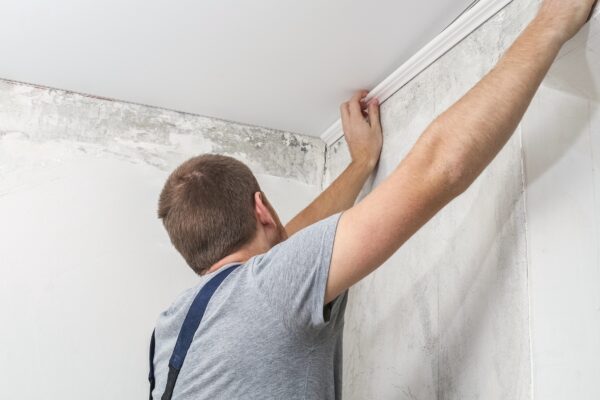
Take some time to check for any spots where air might be getting in, and seal them up with draught excluders or a bit of caulk.
Good insulation not only keeps the property cosy and energy-efficient over winter, but it also helps stop damp and mould from taking hold.
3. Clear gutters and drains
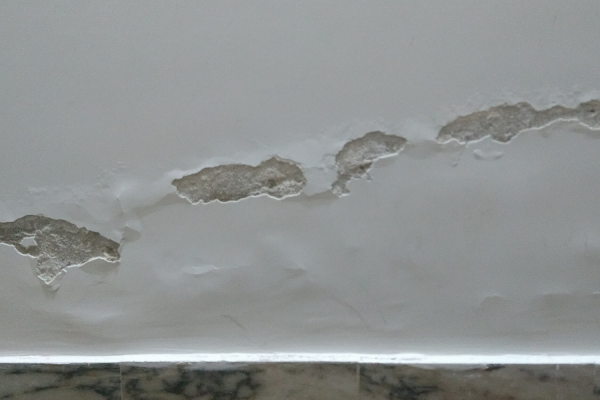
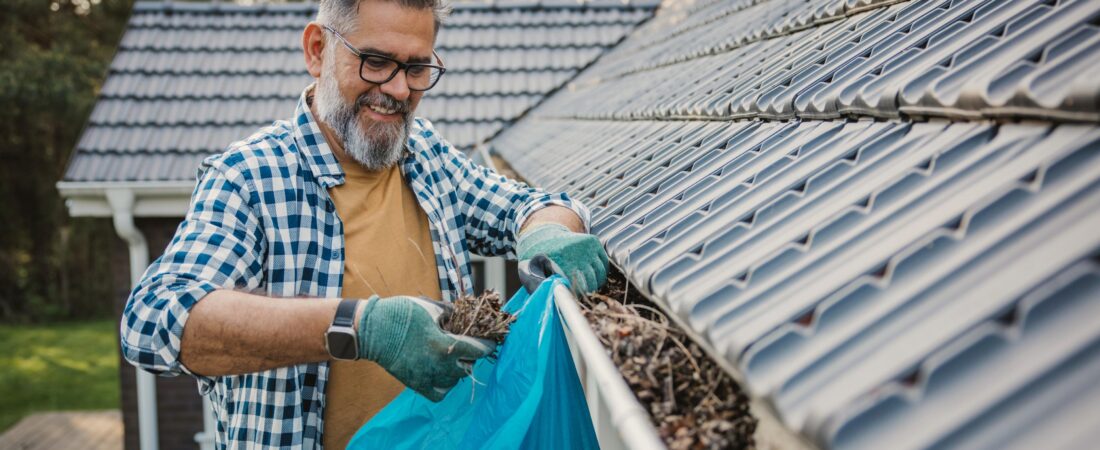
Make sure gutters and drains are clear before winter arrives to help prevent costly water damage. Blocked gutters can cause water to overflow, which may harm your property’s foundation and even lead to damp problems inside.
Take a moment to remove leaves, debris, and any other blockages so water can flow freely – this also reduces the chance of ice dams forming and keeps leaks at bay.
You might also be interested in…
- A Guide to Tax Deductible Costs for Your Landlord Tax Return
- How to Gain a Possession Order
- How Much Notice Does a Tenant Have to Give a Landlord to Move Out?
- Holding Deposit, Tenancy Deposit, Rental Fees: Everything You Need to Know
- How Can I Attract More Tenants to My Property Listing?
4. Inspect the roof
A strong, well-maintained roof is essential, especially in winter when snow, ice, and heavy rain can take their toll.
It’s worth getting a professional to check for any damage – like missing tiles or weak spots – and carry out any repairs while the weather’s still on your side. This can help prevent bigger problems once the cold sets in.
5. Protect the pipes
Frozen pipes can be a real headache, potentially causing bursts that flood the property and lead to expensive repairs.
Make sure any exposed pipes – particularly in unheated areas – are properly insulated to prevent them from freezing.
It’s also a good idea to remind your tenants how to keep the property warm during cold snaps. Simple tips, like leaving cupboard doors open to let warm air circulate around pipes, can provide an extra layer of protection.
Make sure your property is ready for winter and beyond.
6. Be prepared for emergencies
It’s worth thinking ahead and making sure your property is ready for anything winter might throw at it. Stocking up on essentials like shovels, grit, or basic emergency kits can help your tenants deal with icy paths or minor issues safely.
It’s also a good idea to give tenants clear instructions on what to do in the event of a power cut, extreme weather, or any other unexpected situation. A simple, easy-to-follow plan can make them feel supported and keep problems from escalating.
By taking these precautions and following key winter maintenance tips, you can protect your property, avoid costly damage, and give yourself peace of mind throughout the colder months. Keeping your property well-maintained not only safeguards your investment but also helps build a positive, trust-based relationship with your tenants.